

SideJump Dual Ball Reflex Game
Reviews
SideJump delivers exactly what it promises: a straightforward reflex challenge that is easy to learn but hard to master. The dual ball control adds a unique twist to the clicker genre, requiring focused coordination. The gradual speed increase keeps each round fresh and exciting. Its minimalist design and family-friendly nature make it a great choice for quick gaming sessions. Highly recommended for fans of hypercasual games.
About This Game
Game Introduction
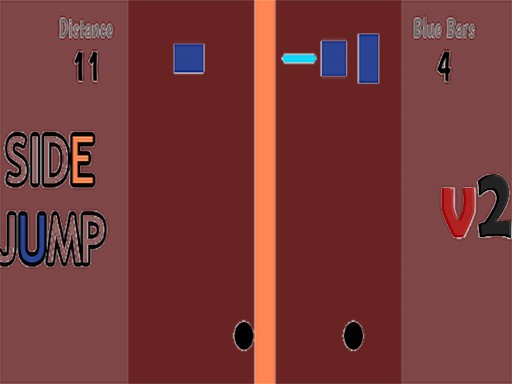
SideJump is a straightforward reflex game that challenges players to control two balls simultaneously. The core objective is to prevent either ball from hitting the walls. As play continues, the speed gradually increases, requiring quick reactions and precise timing. This hypercasual online game offers endless entertainment without complex rules or any inappropriate content. It is designed to be family-friendly and accessible to players of all ages and skill levels. The minimalist presentation keeps the focus on the core action, making each attempt engaging and rewarding. Whether you have a few minutes or an hour, SideJump provides a satisfying test of concentration and coordination.
How to Play
In SideJump, players use simple controls to guide two balls away from the walls. The game begins at a manageable pace but quickly becomes more challenging. The goal is to keep both balls in play for as long as possible. Each collision with a wall ends the round, so staying focused is key. Players must anticipate the movement of the balls and make quick adjustments. With practice, timing and coordination improve. No special skills are required—just a steady hand and a sharp eye. The game is designed for quick, repeatable sessions that are perfect for short breaks or longer play periods.
Game Features
SideJump features simple yet addictive gameplay that tests reflexes and hand-eye coordination. As a hypercasual clicker game, it offers quick rounds that are easy to start and stop. The difficulty gradually increases, providing a continuous challenge. The game is accessible to all skill levels, with no complicated menus or instructions. Its minimalist style focuses attention on the core action, making each attempt engaging. The game may include a scoring system to track progress and encourage improvement.
Tips for Success
To succeed in SideJump, practice regularly to improve timing and coordination. Focus on anticipating the movement of the two balls and making small, precise adjustments. Stay calm as the speed increases, as panicking can lead to mistakes. Try to develop a rhythm that works for you, and do not be discouraged by early failures—each attempt helps you learn. Taking short breaks can also help maintain focus during longer sessions.










Comments
0 comments