

Orbit Target Challenge
Reviews
Orbit Target Challenge succeeds by keeping its focus narrow. The core mechanic of aiming a sphere through increasingly clever barriers feels satisfying without overwhelming the player. The visual style is clean and uncluttered, with a soundtrack that complements rather than distracts. Progression feels earned, as each new obstacle type requires genuine adaptation. The lack of timers or failure penalties reduces frustration, making it easy to pick up for a few minutes or settle into a longer session. It is a well-crafted puzzle experience that respects the player's time and skill level.
About This Game
Core Gameplay Loop
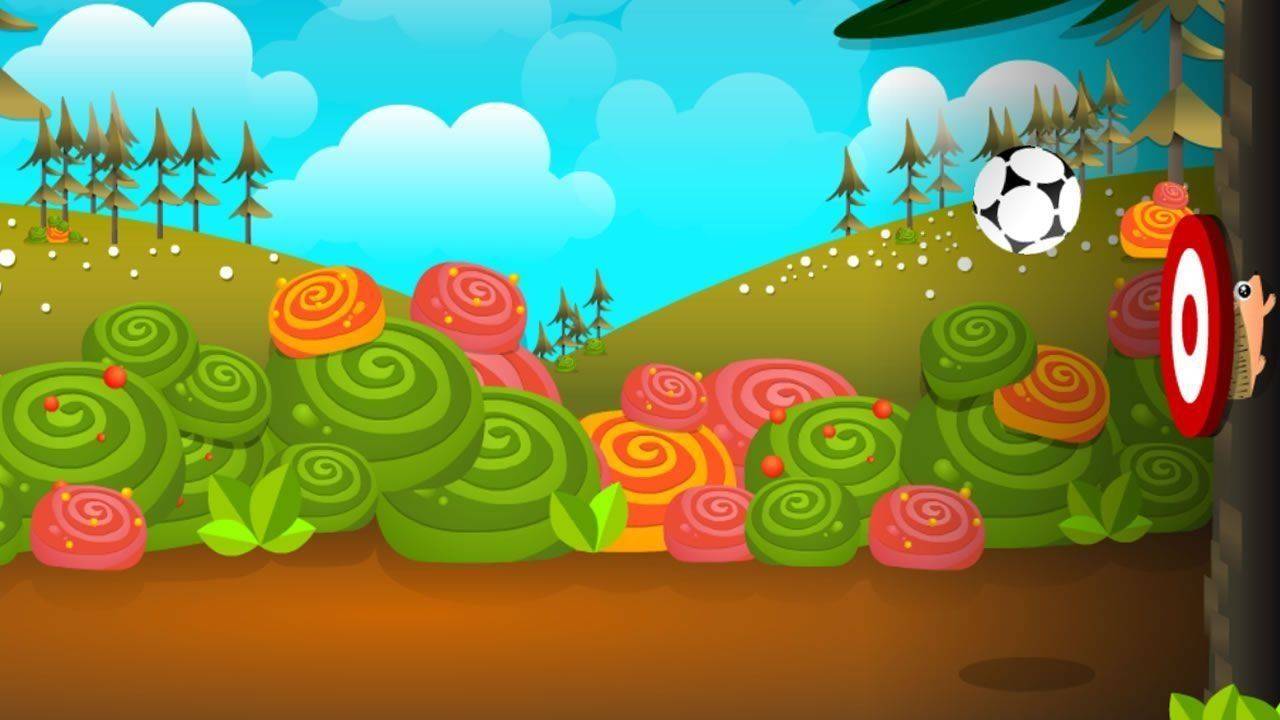
Orbit Target Challenge centers on a simple premise: players direct a small sphere toward designated landing zones. Each stage introduces new barrier arrangements that require careful angle calculations and release timing. The physics-based movement means the sphere responds naturally to slopes and edges, adding a layer of spatial reasoning to every shot. Success depends on reading the layout and adjusting force accordingly.
Level Structure and Progression
The game organizes its content into a sequence of stages that gradually introduce more complex configurations. Early levels feature straightforward paths with minimal obstructions, allowing newcomers to grasp the basic controls. Later stages incorporate moving barriers, narrow channels, and multi-step sequences that demand greater foresight. This gentle ramp-up ensures players build competence without sudden difficulty spikes.
Visual and Audio Design
Bright, clean graphics define the visual style, with each element clearly distinguishable against the background. The sphere leaves a subtle trail that helps players track their shots. A soft, ambient soundtrack plays throughout, with gentle sound cues that confirm successful landings. The overall presentation avoids clutter, keeping focus on the puzzle at hand.
Accessibility and Control Scheme
Controls are limited to aiming and releasing, making the game approachable for all ages. On touchscreens, a simple swipe sets the direction and power. Mouse users click and drag to set trajectory. The interface provides a faint guideline that shows the projected path, helping players refine their aim. No complex menus or tutorials interrupt the flow.
Replay Value and Skill Development
Each stage can be replayed to improve performance. The game tracks completion metrics, encouraging players to revisit earlier levels and attempt more efficient routes. Over time, regular play sharpens hand-eye coordination and spatial awareness. The absence of timers or pressure allows players to progress at their own pace, making the experience suitable for short breaks or longer sessions.
Comments
0 comments