

CinderGust Retro Side-Scroller
Reviews
CinderGust Retro Side-Scroller captures the essence of 8-bit platforming without feeling dated. The controls are responsive, allowing for precise jumps and quick reactions. The gradual difficulty curve keeps the experience engaging, while hidden collectibles add replay value. The pixel art is charming and the stages are well-designed. It is a solid choice for anyone looking for a quick, nostalgic gaming session in their browser.
About This Game
Visual Style & Atmosphere
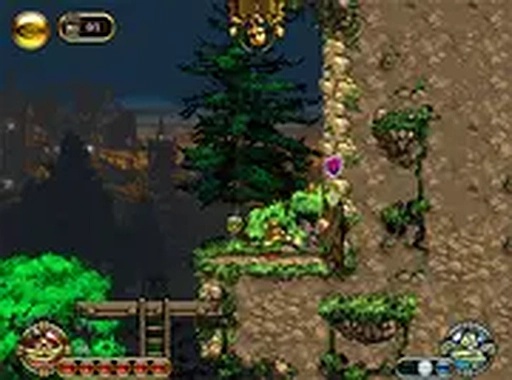
CinderGust Retro Side-Scroller uses pixel-art graphics that recall the look of 8-bit and 16-bit classics. The color palette is bright and varied, with each stage offering a distinct visual theme. Backgrounds feature simple but charming details like moving clouds, distant mountains, and animated water. This visual approach creates a welcoming atmosphere that feels both familiar and fresh for players who enjoy retro aesthetics.
Core Movement Mechanics
The game centers on precise control of a character who runs and jumps across side-scrolling stages. Players use keyboard keys to move left or right and to jump. The jump height and distance can be adjusted by holding the key longer, allowing for careful placement on narrow platforms. Timing is essential when navigating moving obstacles and gaps. As stages progress, new movement challenges appear, such as crumbling blocks that fall after being stepped on.
Collectibles & Scoring
Scattered throughout each stage are coins and other items that increase the player's score. Some items are placed in plain sight, while others are hidden behind walls or in hard-to-reach areas. Collecting all items in a stage may unlock bonus content or simply provide a high-score challenge. The scoring system rewards thorough exploration and careful navigation, giving players a reason to revisit stages to improve their total.
Obstacle & Enemy Encounters
Stages include stationary hazards like spikes and pits that require precise timing to avoid. Some moving obstacles, such as swinging pendulums or rolling boulders, add an extra layer of challenge. Creatures that patrol certain areas can be overcome by jumping on them from above, a mechanic familiar to fans of the genre. Later stages introduce faster enemies and more complex obstacle patterns that test the player's reflexes.
Progression & Difficulty Curve
The game starts with simple stages that teach basic movement and obstacle avoidance. Each subsequent stage adds new elements, such as moving platforms or timed gates, gradually increasing the difficulty. This ramp-up ensures that players build their skills naturally. Checkpoints are placed at key points in longer stages, reducing frustration while maintaining a fair challenge. The final stages require mastery of all mechanics learned earlier.










Comments
0 comments