

Word Grid Challenge: Vocabulary Builder
Reviews
Word Grid Challenge delivers a satisfying mental workout without any clutter. The timed rounds keep pressure manageable, and the scoring system incentivizes creative word hunting. Its browser-based nature means zero setup, and the grid randomization ensures no two rounds feel identical. A solid choice for word game fans seeking a quick, rewarding challenge.
About This Game
Core Word Formation
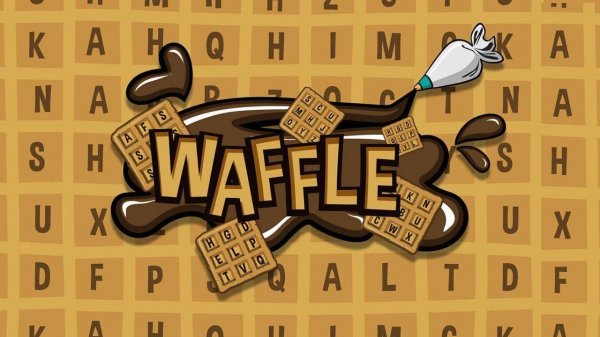
Word Grid Challenge presents a grid of letters where players connect adjacent tiles to create valid English words. Each word must be at least three letters long. The game rewards longer words with higher scores, encouraging players to think beyond simple three-letter combinations. The grid layout is clear and responsive, making it easy to trace paths with a mouse or touch input. This mechanic forms the foundation of every round, requiring both vocabulary knowledge and spatial awareness.
Timed Rounds and Scoring
Each round operates under a countdown timer, adding a layer of urgency to word selection. Players must balance speed with accuracy, as the clock does not pause. The scoring system places emphasis on word length, so finding a six-letter word yields significantly more points than several short words. This design pushes players to scan the grid for longer patterns while still considering quick, low-risk words to maintain momentum. The timer resets each round, allowing for fresh attempts.
Accessibility and Platform
Built with HTML5 technology, Word Grid Challenge runs directly in any modern web browser without requiring downloads or installations. The interface is minimal and intuitive, reducing the learning curve for new players. Controls are straightforward: click or tap letters in sequence, then submit the word. The lightweight code ensures fast loading, even on slower connections. This makes the game suitable for quick breaks at home, during commutes, or in any setting where a browser is available.
Vocabulary Development
Regular play naturally expands a player's vocabulary as they encounter letter combinations they might not use in daily conversation. The game may include a list of found words, allowing players to review their discoveries after each round. This feature helps reinforce new words and encourages players to experiment with less common letter sequences. Over time, players often develop a sharper eye for prefixes, suffixes, and common letter pairings, which translates to better performance in other word-based activities.





Comments
0 comments